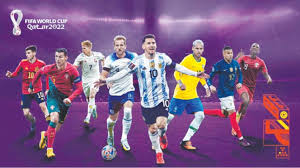

The FIFA World Cup 2026 is set to become one of the most exciting and historic sporting events ever organized. Football fans around the world are eagerly waiting for this mega tournament because it will introduce several major changes that have never been seen before in World Cup history. For the first time, the tournament will be hosted by three countries – the United States, Canada, and Mexico – making it a truly North American celebration of football.
With an expanded format, more teams, more matches, and more cities involved, the 2026 World Cup promises to deliver unmatched entertainment and global unity. This article will explore everything about World Cup 2026 including its format, host nations, teams, schedule, expectations, and much more in detail.
1. Host Countries and Venues
The Fifa World Cup will be jointly hosted by three nations:
- United States
- Canada
- Mexico
This will be the first time in football history that three countries will share hosting responsibilities for a World Cup. The decision was made by FIFA to promote football development in North America and to use modern stadium infrastructure available across these countries.
Some of the major cities hosting matches include:
- New York (USA)
- Los Angeles (USA)
- Dallas (USA)
- Toronto (Canada)
- Vancouver (Canada)
- Mexico City (Mexico)
- Guadalajara (Mexico)
In total, more than 16 cities are expected to host matches, making it the largest World Cup in terms of venues.
2. Expanded Tournament Format
One of the biggest changes in World Cup 2026 is the expansion of teams. Instead of 32 teams, the tournament will now feature 48 national teams.
This new format will include:
- 12 groups of 4 teams each
- Top 2 teams from each group automatically qualify
- Best third-placed teams may also qualify for knockout stages
- A new Round of 32 will be added before the Round of 16
This expansion means more opportunities for smaller football nations to participate on the world stage. Countries from Asia, Africa, and North America will especially benefit from additional qualification slots.
3. Qualification Process
The qualification process for World Cup 2026 has also been adjusted due to the increased number of teams.
Approximate slot distribution:
- Europe (UEFA): 16 teams
- Africa (CAF): 9 teams
- Asia (AFC): 8–9 teams
- South America (CONMEBOL): 6–7 teams
- North & Central America (CONCACAF): 6–7 teams
- Oceania (OFC): 1 guaranteed slot
- Playoffs: Additional intercontinental spots
This structure ensures global representation and gives emerging football nations a fair chance to compete.
4. Why World Cup 2026 is Special
The 2026 edition is considered revolutionary for several reasons:
a. First 48-Team World Cup
This expansion will make the tournament longer and more competitive, with 104 total matches being played.
b. Three Host Nations
Never before has the World Cup been hosted by three countries together.
c. Massive Stadiums
Many stadiums in the USA can hold more than 70,000–100,000 fans, creating an electrifying atmosphere.
d. Global Accessibility
North America’s strong transport system and modern infrastructure make it easier for international fans to travel.
5. Favorites for the Tournament
While the tournament has not started yet, several teams are already considered strong contenders:
- Brazil – Always a powerhouse in World Cup history
- Argentina – Current champions with world-class talent
- France – Strong squad depth and experience
- England – Young and talented generation
- Germany – Tactical discipline and history of success
- Spain – Technical and possession-based football
However, with 48 teams, surprises are expected, and underdog nations may create major upsets.
6. Impact on Football Worldwide
The World Cup 2026 is expected to have a huge impact on global football:
a. Growth of Football in North America
Football (soccer) is already growing in popularity in the USA and Canada. Hosting the World Cup will further boost interest among youth.
b. Economic Boost
Host countries are expected to generate billions of dollars through tourism, broadcasting, and sponsorship deals.
c. Development of Infrastructure
New stadiums, transport systems, and hotels will be upgraded or built, leaving a long-term legacy.
d. Increased Global Participation
More teams mean more countries experiencing World Cup football for the first time.
7. Technology in World Cup 2026
Modern technology will play a big role in the tournament:
- VAR (Video Assistant Referee) for fair decisions
- Semi-automated offside technology
- Advanced goal-line systems
- Improved broadcasting quality with 4K and VR coverage
- AI-based match analytics
These innovations will make matches more accurate and enjoyable for fans.
8. Fan Experience
Fans attending World Cup 2026 can expect:
- Huge stadium crowds
- Fan festivals in every host city
- Cultural events from different countries
- Easy visa arrangements for international visitors
- High security and comfort facilities
The tournament is expected to attract millions of tourists from around the world.
9. Schedule Overview
The tournament is expected to take place during June to July 2026, following the traditional World Cup timeline.
- Group Stage: Early June
- Knockout Stage: Late June
- Final Match: Mid-July
The final match will likely be hosted in the United States, possibly at one of the largest stadiums in the country.
10. Challenges of the Tournament
Despite excitement, there are some challenges:
- Long travel distances between host cities
- Scheduling complexity with 48 teams
- Climate differences across regions
- High demand for tickets and accommodation
FIFA and organizers are working to manage these challenges effectively.
FAQs
1. When will World Cup 2026 start?
The tournament is expected to begin in June 2026 and run until mid-July 2026.
2. How many teams will participate in World Cup 2026?
A total of 48 teams will participate, making it the largest World Cup ever.
3. Which countries are hosting the World Cup 2026?
The tournament will be hosted by the United States, Canada, and Mexico.
4. How many matches will be played?
A total of 104 matches will be played during the tournament.
5. Will this World Cup have a new format?
Yes, it will feature 12 groups of 4 teams and a new Round of 32 stage.
6. Why is World Cup 2026 important?
It is important because it expands global participation, introduces a new format, and is hosted by three countries for the first time.
7. Which teams are favorites?
Teams like Brazil, Argentina, France, England, Germany, and Spain are considered strong contenders.
Conclusion
The FIFA World Cup 2026 is not just another football tournament; it is a historic milestone in the world of sports. With 48 teams, three host nations, advanced technology, and a completely new structure, it is set to redefine how global football events are organized.
This World Cup will bring together cultures, unite fans from every corner of the world, and showcase the true spirit of football. Whether you are a casual viewer or a die-hard fan, World Cup 2026 promises unforgettable moments, thrilling matches, and new legends in the making.