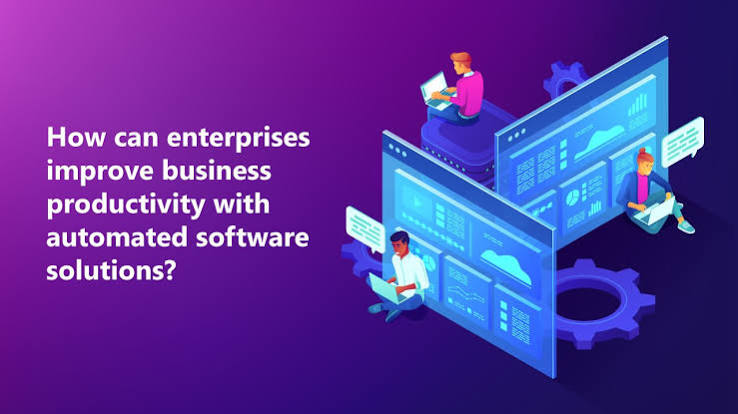

Every business has unique processes that help it operate efficiently. However, many organizations rely on spreadsheets, manual workflows, and disconnected applications to manage daily tasks. As companies grow, these traditional methods often create delays, communication problems, and unnecessary operational challenges.
Internal tools development provides businesses with customized software solutions designed specifically for their internal processes. These tools help teams automate tasks, improve collaboration, and increase overall productivity.
What Are Internal Tools?
Internal tools are custom-built software applications created to support a company’s internal operations. Unlike customer-facing applications, these solutions are designed for employees, managers, and internal teams.
Examples of internal tools include employee dashboards, workflow management systems, reporting platforms, inventory tools, approval systems, and project management applications.
Why Businesses Need Custom Internal Tools
Every organization has different workflows and operational requirements. Standard software may not always provide the flexibility needed to manage unique business processes.
Custom internal tools allow companies to create solutions that match their exact needs, improving efficiency and reducing manual work.
Benefits of Internal Tools Development
Improved Workflow Automation
Internal tools automate repetitive tasks such as approvals, reporting, data management, and employee requests, saving valuable time.
Increased Employee Productivity
Teams can complete tasks faster by using software designed specifically for their daily responsibilities.
Better Data Organization
Custom dashboards and management systems keep important business information organized and easily accessible.
Enhanced Collaboration
Internal platforms improve communication between departments by providing shared workspaces and centralized information.
Reduced Operational Costs
Automation reduces dependency on manual processes and minimizes errors that can increase business expenses.
Common Types of Internal Business Tools
Businesses often develop internal solutions such as:
- Employee management systems
- Custom dashboards
- Workflow automation tools
- Reporting platforms
- Inventory management systems
- Approval management software
- Communication platforms
- Data analytics tools
- Project tracking systems
- Customer support tools
These solutions help organizations improve their internal efficiency.
Industries That Benefit from Internal Tools
Internal tools are valuable for businesses in:
- Healthcare
- Finance
- Education
- Manufacturing
- Retail
- Logistics
- Technology
- Real Estate
- Professional Services
- E-commerce
Any organization with complex workflows can benefit from customized internal solutions.
Choosing the Right Internal Tools Development Partner
Building effective internal software requires a clear understanding of business processes, technical expertise, and scalable development practices. Businesses should work with experienced developers who can create secure, user-friendly, and flexible solutions.
Organizations looking to optimize their operations should consider professional internal tools development services that are customized according to their specific workflow requirements.
Future of Internal Business Tools
Artificial Intelligence, automation, cloud computing, and advanced analytics are changing how businesses build internal systems. Modern internal tools can provide intelligent recommendations, automate complex tasks, and deliver real-time insights to improve decision-making.
Companies adopting these technologies will create more efficient and productive work environments.
Conclusion
Internal tools development enables businesses to solve operational challenges with software designed specifically for their needs. By automating workflows, improving collaboration, and organizing data, companies can increase productivity and create more efficient operations.
Investing in customized internal tools provides businesses with the flexibility and scalability required for long-term success in a digital-first environment.