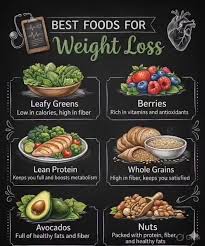

Protein and calorie knowledge is one of the most important parts of building a healthy diet because it helps you understand how your body gets energy, how muscles are built and repaired, and how different foods affect weight management and overall health, making it easier to plan meals that support fitness goals, whether you want to lose weight, gain muscle, or simply maintain a balanced lifestyle.
What Are Calories and Why They Matter
Calories are the unit of energy your body gets from food. Every activity you do, from breathing to walking or exercising, requires energy, and calories are what fuel that process.
When you consume more calories than your body needs, the extra energy is stored as fat. On the other hand, consuming fewer calories than you burn can lead to weight loss. Understanding this balance is key to managing your diet effectively.
Understanding Protein and Its Role in the Body
Protein is a vital nutrient that helps build and repair muscles, tissues, and cells. It is made up of amino acids, which are essential for many body functions including growth, recovery, and immune support.
Foods rich in protein include meat, eggs, dairy products, beans, and nuts. Including enough protein in your diet helps you feel full for longer and supports healthy body composition.
Protein vs Calories: The Key Difference
While calories measure energy, protein is a nutrient that contributes to your body’s structure and function. Both are important, but they serve different purposes in your diet.
A food can be high in calories but low in protein, or vice versa. For example, sugary snacks may provide high calories with little nutritional value, while lean meats provide high protein with moderate calories.
Daily Protein Requirements
The amount of protein a person needs depends on factors like age, weight, activity level, and fitness goals. Active individuals and athletes usually require more protein than sedentary people.
On average, most adults need a moderate amount of protein daily to maintain muscle mass and support body functions. A balanced intake throughout the day is more effective than consuming it all at once.
Healthy Sources of Protein
There are many healthy protein sources available for different dietary preferences. Animal-based sources include chicken, fish, eggs, and dairy, while plant-based sources include lentils, chickpeas, tofu, and quinoa.
Choosing a variety of protein sources ensures that you get all essential amino acids and additional nutrients needed for good health.
Calories in Common Foods
Different foods contain different calorie levels. For example, vegetables are generally low in calories, while fried foods, sweets, and processed snacks tend to be high in calories.
Understanding calorie content helps you make better food choices and control your daily energy intake more effectively.
Balancing Protein and Calories for Weight Goals
Balancing protein and calories is essential for achieving fitness goals. For weight loss, high-protein and lower-calorie diets can help maintain muscle while reducing fat.
For muscle gain, higher protein intake combined with sufficient calories supports growth and recovery after workouts. The key is maintaining the right balance based on your goals.
Common Mistakes in Diet Planning
One common mistake is focusing only on calories without considering protein intake. This can lead to poor nutrition even if weight goals are achieved.
Another mistake is consuming too much processed food, which may fit calorie limits but lacks essential nutrients like protein, vitamins, and minerals.
Simple Tips for Better Diet Control
Planning meals in advance helps maintain control over calorie and protein intake. Including protein in every meal can improve satiety and energy levels.
Drinking enough water, avoiding excessive sugar, and choosing whole foods over processed options also support a healthier diet.
FAQ’s
What are calories in food
Calories are units of energy that come from food and fuel the body.
Why is protein important
Protein helps build muscles, repair tissues, and support body functions.
Can I lose weight by counting calories
Yes, maintaining a calorie deficit can help with weight loss.
Which foods are high in protein
Eggs, chicken, fish, lentils, and dairy products are good sources.
Conclusion
Understanding protein and calorie facts is essential for creating a healthy and balanced diet that supports your fitness and lifestyle goals. By learning how calories provide energy and how protein supports body structure and recovery, you can make smarter food choices that improve overall health, maintain weight balance, and build a stronger, more active body.