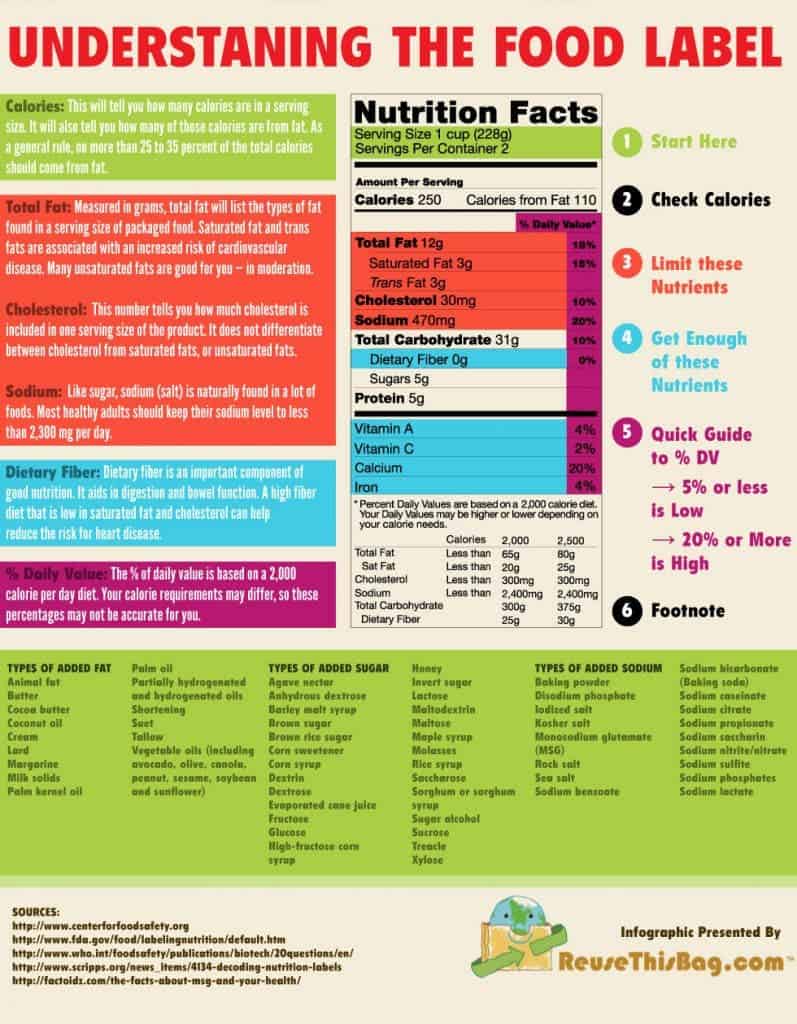

Nutrition labels are an essential part of packaged food products because they provide detailed information about what you are eating, including calories, nutrients, ingredients, and serving sizes, and learning how to read them properly helps people make healthier food choices, manage diets, and understand what goes into everyday meals in a simple and practical way.
What Are Nutrition Labels
Nutrition labels are printed tables found on food packaging that explain the nutritional content of a product. They show important details such as energy value, fats, carbohydrates, proteins, vitamins, and minerals.
These labels are designed to help consumers compare products and choose healthier options based on their dietary needs. Understanding them is the first step toward better eating habits.
Importance of Reading Nutrition Labels
Reading nutrition labels is important because it helps people become more aware of what they are consuming. Many processed foods contain hidden sugars, salts, and fats that can affect health if consumed in large amounts.
By checking labels, individuals can control their calorie intake and avoid unhealthy ingredients, which supports better long-term health and well-being.
Serving Size and Its Meaning
One of the most important parts of a nutrition label is the serving size. It tells you the amount of food the nutritional values are based on.
Many people misunderstand this section and consume more than one serving without realizing it, which can lead to higher calorie intake than expected.
Calories and Energy Content
Calories indicate how much energy you get from a serving of food. Monitoring calorie intake is important for maintaining a healthy weight and balanced diet.
Foods with high calories may provide more energy but can also lead to weight gain if consumed in excess, so understanding this section is essential for diet control.
Understanding Macronutrients
Macronutrients include fats, carbohydrates, and proteins, which are the main components of food that provide energy and support body functions.
Fats should be consumed in moderation, carbohydrates provide quick energy, and proteins help in muscle growth and repair. A balanced intake of all three is necessary for good health.
Vitamins and Minerals Information
Nutrition labels also list essential vitamins and minerals such as calcium, iron, and vitamin C. These nutrients support immunity, bone health, and overall body function.
Understanding this section helps individuals choose foods that provide necessary micronutrients for maintaining good health.
Sugar, Salt, and Hidden Ingredients
Many processed foods contain added sugars and sodium, which are often not noticed unless you read the label carefully. High intake of these can lead to health issues over time.
By checking labels, consumers can avoid products with excessive sugar or salt and make healthier dietary choices.
How to Compare Food Products
Nutrition labels make it easier to compare similar products. By checking calories, fats, and sugar content, you can choose the healthier option.
This comparison helps in making better decisions while shopping for groceries and planning meals.
Common Mistakes People Make
One common mistake is ignoring serving sizes and assuming the entire package contains the nutritional values listed.
Another mistake is focusing only on calories and ignoring other important nutrients like sugar, sodium, and fiber.
FAQ’s
What is a nutrition label
It is a table on food packaging that shows nutritional information.
Why are nutrition labels important
They help people make healthier food choices.
What should I check first on a label
Start with serving size and calorie content.
Do all foods have nutrition labels
Packaged foods usually have them, but fresh foods may not.
Conclusion
Understanding nutrition labels is an important skill for making healthier food choices and maintaining a balanced diet. By learning how to read serving sizes, calories, and nutrient information, individuals can take better control of their eating habits and improve their overall health in a simple and effective way.