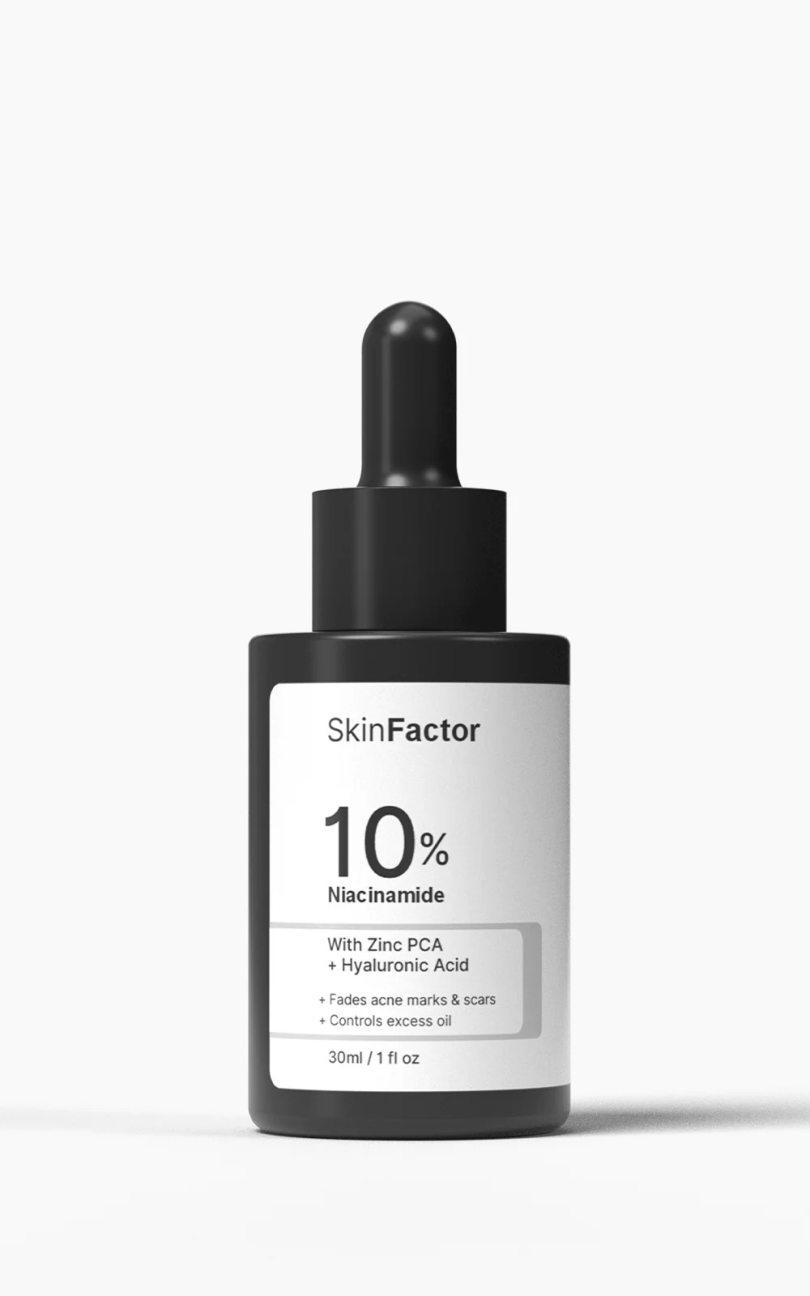

Sensitive skin often needs a simpler and more carefully selected skincare routine. Products with strong active ingredients can sometimes cause dryness, redness, tightness, or discomfort, making it important to choose ingredients that support the skin barrier rather than unnecessarily stressing it. niacinamide serum in pakistan for sensitive skin has become a popular choice because niacinamide, also known as vitamin B3, can support the skin barrier while addressing several common skincare concerns.
When used correctly, niacinamide can help improve the appearance of uneven skin tone, excess oil, enlarged-looking pores, and weakened skin. However, sensitive skin benefits from a gradual approach. We should consider the concentration, supporting ingredients, frequency of use, and the rest of the skincare routine before introducing a new serum.
What Is Niacinamide Serum?
Niacinamide is a water-soluble form of vitamin B3 used in many modern skincare products. Unlike exfoliating acids, it does not work by removing layers of dead skin. Instead, it supports several important functions of the skin and is commonly included in serums, moisturizers, cleansers, and other topical products.
A niacinamide serum generally provides a more concentrated application than a standard moisturizer. Depending on the formula, it may contain a relatively low or higher percentage of niacinamide alongside ingredients such as hyaluronic acid, glycerin, ceramides, panthenol, or other soothing ingredients.
For sensitive skin, the formula matters as much as the active ingredient itself. A simple serum with a moderate concentration and minimal potential irritants can be more appropriate than a highly concentrated formula containing numerous active ingredients.
Is Niacinamide Good for Sensitive Skin?
Yes, niacinamide can be suitable for sensitive skin, particularly when we select a gentle formulation and introduce it gradually. One of its major advantages is its role in supporting the skin barrier.
The skin barrier helps reduce excessive water loss and protects the skin from external environmental factors. When this barrier becomes compromised, skin can feel dry, rough, tight, or uncomfortable. Supporting the barrier can therefore be an important part of maintaining healthier-looking sensitive skin.
Niacinamide may also help improve the appearance of redness and uneven tone while supporting a balanced-looking complexion. However, sensitive skin varies considerably from person to person, so a product that works well for one individual may not be equally comfortable for another.
Benefits of Niacinamide Serum for Sensitive Skin
1. Helps Support the Skin Barrier
One of the most important reasons to consider niacinamide for sensitive skin is its connection with the skin barrier. A healthy barrier helps the skin retain moisture and maintain a more resilient surface.
Regular use of an appropriately formulated niacinamide serum may help support the appearance and function of the skin barrier. This makes it particularly appealing when our routine focuses on hydration and barrier care.
2. Helps Improve Uneven Skin Tone
Uneven-looking skin tone can result from several factors, including visible pigmentation and environmental exposure. Niacinamide is frequently used in skincare routines designed to create a more even-looking complexion.
With consistent use, a suitable niacinamide product may help improve the appearance of discoloration and leave the complexion looking more balanced.
3. Helps Control the Appearance of Excess Oil
Sensitive skin is not always dry. Some people have sensitive combination or oily skin and may experience both irritation and excess oil.
Niacinamide can be useful in routines for oily sensitive skin because it may help regulate the appearance of excessive sebum. A balanced approach can help us avoid relying on harsh products that strip the skin and potentially leave it feeling uncomfortable.
4. Supports a Smoother-Looking Complexion
Visible pores and uneven texture can make the skin appear less smooth. Niacinamide may help improve the overall appearance of pores and texture when incorporated into a consistent skincare routine.
It does not permanently remove pores, because pores are natural structures of the skin. Instead, the goal is to make their appearance less noticeable by supporting healthier-looking skin and controlling excess oil.
5. Provides Antioxidant Support
Niacinamide also has antioxidant properties that can contribute to a skincare routine focused on protecting the skin from environmental stressors.
For sensitive skin, combining antioxidant support with moisturization and daily sunscreen can create a more balanced routine without relying exclusively on aggressive active ingredients.
What Percentage of Niacinamide Is Best for Sensitive Skin?
When choosing niacinamide serum for sensitive skin, a higher percentage is not automatically better.
Sensitive skin often benefits from starting with a lower concentration. Products containing around 2% to 5% niacinamide can be a reasonable starting point for people who are concerned about sensitivity. Some products contain 10% or more, but stronger formulas may not be necessary for everyone.
We should focus on how the skin responds rather than choosing a product solely because it has the highest percentage listed on the label.
A gentle 5% serum that can be used consistently may be more useful than a stronger serum that causes discomfort and has to be discontinued.
How to Use Niacinamide Serum on Sensitive Skin
Using the serum correctly can make a significant difference.
Step 1: Cleanse Gently
We should begin with a mild cleanser that removes dirt, sunscreen, and excess oil without leaving the skin feeling tight or stripped.
Step 2: Apply Niacinamide Serum
After cleansing, apply a small amount of niacinamide serum according to the product instructions. We do not need to saturate the face with serum; a thin, even layer is generally sufficient.
Step 3: Follow With Moisturizer
A gentle moisturizer can help maintain hydration and support the skin barrier. Ingredients such as ceramides, glycerin, and hyaluronic acid may complement a niacinamide-focused routine.
Step 4: Use Sunscreen During the Day
Morning skincare should finish with a broad-spectrum sunscreen. Niacinamide does not replace sunscreen, and daily UV protection remains important when our goal is maintaining an even-looking complexion.
How Often Should We Use Niacinamide Serum?
For sensitive skin, starting slowly is usually the safest approach.
We can begin by applying the serum in pakistan two or three times per week and observing how the skin responds. If there is no persistent irritation, the frequency can gradually increase according to the product instructions and individual tolerance.
Some people can eventually use niacinamide once or twice daily, while others may prefer using it only a few times per week.
There is no requirement to use a skincare active every day if the skin does not tolerate that frequency.
Patch Testing Niacinamide Serum
Before applying a new product across the entire face, we can perform a patch test.
Apply a small amount of the to a limited area of skin and monitor the area over the next day or according to the product’s directions. If significant burning, swelling, persistent redness, itching, or other concerning reactions occur, discontinue use.
Patch testing cannot guarantee that a product will never cause a reaction, but it can be a useful precaution when introducing new skincare.
Niacinamide Serum for Dry and Sensitive Skin
Dry and sensitive skin generally benefits from formulas that combine niacinamide with hydrating and barrier-supporting ingredients.
We can look for ingredients such as:
- Glycerin for hydration
- Hyaluronic acid for moisture support
- Ceramides for barrier care
- Panthenol for soothing and hydration
- Squalane for emollient support
A serum containing niacinamide alongside these ingredients may be more comfortable than a formula focused exclusively on a high concentration of active ingredients.
Niacinamide Serum for Oily and Sensitive Skin
Oily sensitive skin requires a slightly different approach. Heavy products may feel uncomfortable, but aggressive oil-control products can also leave the skin feeling dry or irritated.
A lightweight niacinamide serum can fit well into this type of routine. We can pair it with a lightweight, non-comedogenic moisturizer and sunscreen.
The objective should be balanced skin rather than completely oil-free skin. Some natural oil is part of the skin’s protective system.
Can We Use Niacinamide Every Day?
Many people can use niacinamide daily, but sensitive skin should be introduced to the ingredient gradually.
If the skin remains comfortable, daily use may be appropriate. If we notice persistent stinging, dryness, redness, or irritation, reducing the frequency or temporarily stopping the serum can be a sensible approach.
We should also consider the other products being used. Sometimes irritation is not caused by niacinamide alone but by combining several potentially irritating ingredients within the same routine.
Ingredients to Be Careful With When Using Niacinamide
Niacinamide can be incorporated into many skincare routines, but sensitive skin requires additional consideration when combining multiple active ingredients.
Products containing strong exfoliating acids, retinoids, benzoyl peroxide, or other potentially irritating actives may need to be introduced separately rather than all at once.
Instead of creating an unnecessarily complicated routine, we can focus on a few essentials:
Gentle cleanser → niacinamide serum → moisturizer → sunscreen
This simple structure can make it easier to identify which product is responsible if irritation develops.
Niacinamide and Hyaluronic Acid for Sensitive Skin
Niacinamide and hyaluronic acid are commonly used together because they serve different purposes.
Niacinamide focuses on supporting the skin barrier and addressing concerns such as uneven tone and excess oil, while hyaluronic acid is primarily used as a hydrating ingredient.
Using them together can create a balanced routine, particularly when sensitive skin needs both hydration and barrier support.
Many combination serums already contain both ingredients, making them convenient for people who prefer a shorter skincare routine.
Common Mistakes When Using Niacinamide Serum
Using Too Much
More serum does not necessarily mean better results. Applying an excessive amount can make the product uncomfortable and wasteful.
Starting With a Very High Concentration
Sensitive skin does not automatically require a 10% or higher niacinamide formula. Starting with a moderate concentration can be a more comfortable approach.
Introducing Multiple Actives at Once
When we introduce several new skincare products simultaneously, it becomes difficult to determine which product is causing irritation.
Skipping Moisturizer
Even oily or combination sensitive skin can benefit from appropriate moisturization.
Ignoring Sunscreen
Niacinamide can be part of a brightening and skin-support routine, but sunscreen remains essential for protecting the skin from UV exposure.
When Should We Apply Niacinamide Serum?
Niacinamide can generally be incorporated into either a morning or evening routine, depending on the product instructions.
For a morning routine, we can use:
Cleanser → Niacinamide Serum → Moisturizer → Sunscreen
For an evening routine:
Cleanser → Niacinamide Serum → Moisturizer
If several active products are included in the routine, we should introduce them carefully rather than assuming every ingredient needs to be used at the same time.
How Long Does Niacinamide Take to Work?
Skincare results usually require consistency and patience. The timeline can vary depending on the concern being addressed, the concentration of the product, the rest of the routine, and individual skin characteristics.
Hydration and overall skin comfort may become noticeable sooner, while concerns such as uneven tone and the appearance of pores can require longer, consistent use.
Rather than changing products every few days, we should give a suitable routine enough time to evaluate its results.
Who Should Avoid Niacinamide Serum?
Most people can tolerate niacinamide, but individual sensitivity is always possible. Anyone who experiences significant irritation should stop using the product and avoid continuing through discomfort.
People with highly reactive skin may also want to consult a dermatologist before introducing several new active ingredients.
If swelling, severe burning, blistering, or other serious symptoms develop, professional medical advice should be sought rather than attempting to manage the reaction by adding more skincare products.
Final Thoughts on Niacinamide Serum for Sensitive Skin
Niacinamide serum for sensitive skin can be a useful addition to a carefully designed skincare routine. Its potential benefits include supporting the skin barrier, improving the appearance of uneven tone, helping manage excess oil, and promoting a smoother-looking complexion.
The key is choosing an appropriate formula and introducing it gradually. Sensitive skin does not necessarily need the strongest concentration or the largest number of active ingredients. A simple routine built around a gentle cleanser, suitable niacinamide serum, moisturizer, and daily sunscreen can provide a practical foundation for healthier-looking skin.
By paying attention to concentration, formulation, frequency, and individual tolerance, we can make niacinamide a more comfortable and effective part of a sensitive-skin routine.