
You don’t have to have synthetic air fresheners or candles full of chemicals in your home to soothe your senses with a natural, pleasant scent. Making essential oils a part of the home fragrance is one of the easiest, safe and most successful methods for creating a serene, inviting space and enjoying the therapeutic benefits of aromatherapy. These plant-based oils can be used in almost any room and at any time of the day to suit any mood, from relieving stress to cleaning the air, there’s something for everyone. Now, in this article, we’ll take a look at some simple and easy ways to incorporate these fragrant oils into your everyday routine.
Why Choose Essential Oils for Home Fragrance
It’s important to be aware of the reasons why many are choosing essential oils over artificial blends for home fragrance, before you get into the details of how to use them. Artificial chemicals are used in commercial air fresheners to which people can be sensitive, causing them to get headaches, have allergic reactions or breathe poorly. On the other hand, essential oils are extracted directly from plants, flowers and herbs, which is a much purer and therapeutic experience. Many essential oils offer more than just a pleasant fragrance – lavender can help to relax you, citrus oils can energize your body and improve your mood while eucalyptus can help clear up congestion. The scents and benefits of aromatherapy make it popular for use at home.
Using a Diffuser for Continuous Fragrance
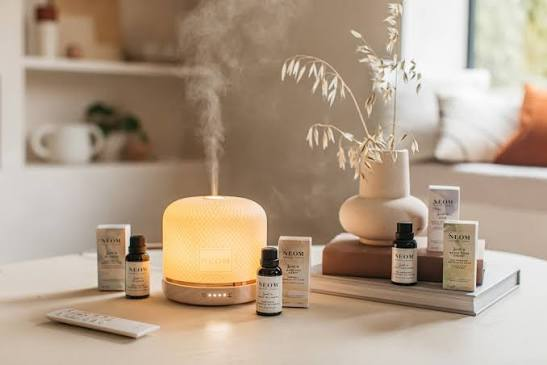
An ultrasonic diffuser is one of the best and loved methods to make use of the essential oils for home fragrance. These come in various forms and release a fine mist with the oil you’re interested in for hours, filling the room with a scent.
- To use a diffuser:
- Make sure to fill the water reservoir to this line.
- Add 3-6 drops of essential oil or blend of choice.
Switch on the diffuser and allow it to operate for 30 minutes to a few hours, depending on the size of the room. Some popular combinations of diffusers are lavender and cedarwood for relaxation, or lemon and peppermint for an energizing morning boost.
Simmer Pots: A Stovetop Aromatherapy Method
A simmer pot is a great natural alternative if you don’t have a diffuser! Fill a small pot with water, add a few drops of essential oil and the optional ingredients (cinnamon sticks, orange peels or fresh herbs, etc.) and simmer gently on low heat. The fragrance is transported by the steam throughout your kitchen and adjoining rooms. It’s particularly popular in the cooler seasons as warm spices such as clove and cinnamon have the ability to make an inviting and comforting atmosphere. It’s also an affordable option for essential oil enthusiasts for home fragrance without having to invest in special equipment.
Homemade Room Sprays
It is easy, inexpensive and customisable to make your own room spray. In a spray bottle, mix in distilled water, a few drops of either witch hazel or vodka (to help disperse the essential oil), and 15-20 drops of essential oil. Shake before using and mist your living room, bathroom or bedroom linens to give them a freshness boost. One of the most flexible ways of using essential oils in your home is by creating fragrances for each room or for changing your mood for the bedroom, use floral notes, for the kitchen, citrus, or for the bathroom, herbal.
This involves the use of Reed Diffusers and Passive Scenting
Reed diffusers would be a great choice for a low maintenance, long-lasting option. Put a small amount of essential oil in a glass bottle and add a carrier oil (sweet almond or fractionated coconut oil) and then add the reed sticks which will slowly take up the aroma and give off the scent into the air. Unlike an electric diffuser, reed diffusers operate without any wires or electricity, making them perfect for areas with limited space, like a bathroom, closet or entry way, where a more subtle and continuous fragrance is desired.
Scented Sachets and Fabric Fresheners are also available
Essential oils may not be used only in the air, they can be used to freshen up fabrics and of course inside enclosed spaces. Put a few drops on cotton balls and/or fabric pouches and put in drawers, closets, or shoe cabinets. Add essential oils to water in a spray bottle to freshen up curtains, upholstery or car interior. This is a non-chemical, natural spray that will not use harsh chemicals, yet still leave your space smelling fresh and clean.
Bathing and Steam Aromatherapy
Adding essential oils to bath water or hot water in a bowl for steam inhalation is soothing, relaxing and fragrant. After a long day, huffing and puffing eucalyptus or peppermint oil steaming water through a towel over your face will help clear sinuses and relieve tension. This method is a combination of home use of essential oils for fragrance, and personal self care because steam escapes the bathroom and into other rooms.
Tips for Safe and Effective Use
The best way to make the most from your aromatherapy treatment is to follow these tips:
- Always use essential oils properly diluted for application to skin and fabrics.
- Use good quality, pure essential oils, and not fragrance oils.
- Oils should not be within the reach of children and pets – some oils can be toxic if ingested.
- Change up perfumes every once in awhile so you don’t get used to any smell.
- Do not use essential oils with pets that are sensitive, infants or pregnant women unless advised to do so by a professional.
Final Thoughts
You don’t need to be high-tech in order to freshen up your home with some natural perfume. There are so many easy methods to enjoy essential oils for home fragrance while enjoying the relaxing and mood elevating advantages of aromatherapy, whether you use diffusers, simmer pots, room sprays or sachets. A little trial and error, and you can have a scent that’s unique for you that will make your home a more restful and welcoming place.